
Emergency Water is Important
Emergency water is important–For you, your family, and your elderly loved ones.
Water systems, both public and private, are indispensable to human health, agriculture, and economic development. However, these systems face a growing array of threats, from natural disasters to human-made crises. Understanding these vulnerabilities is the first step toward safeguarding water resources and ensuring their resilience in the face of adversity.
This past year was a “master class” in how many ways we can be without water. 2025 may beat 2024. There are on-going threats to your water supplies . Are your ready? Do you have a plan?
Anytime there is a disaster, people point fingers. While bad decisions may be part of the problem, our water supplies have been at risk for years and for a range of reasons. Some of the risks are weather/climate related or aging infrastructure. But, nefarious actors also penetrated the networks of our most important power and water control systems.
Drought Conditions
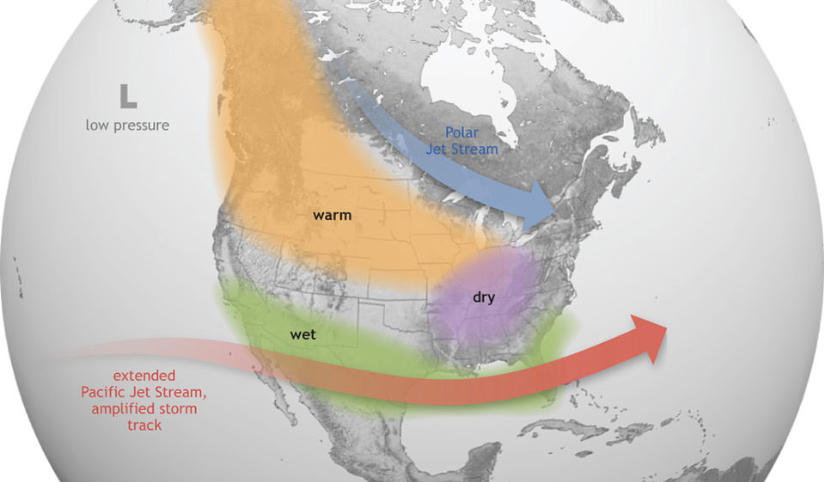
The U.S. continues its struggle with widespread severe to extreme drought conditions. We don’t argue on whether or not the conditions are historic. They exist now and impact families like yours.
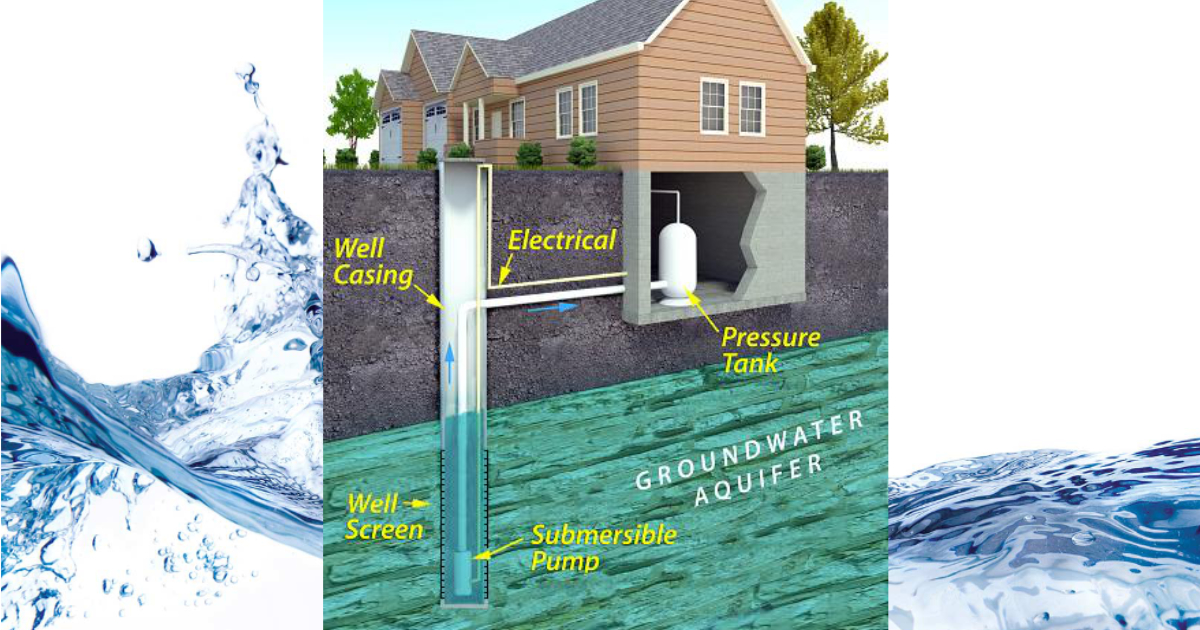
Every week, we speak with people from across the country whose water wells are lower and flowing slower than ever before. Some have small children. Some are caring for elderly loved ones. What is the status of your water well? You should know.
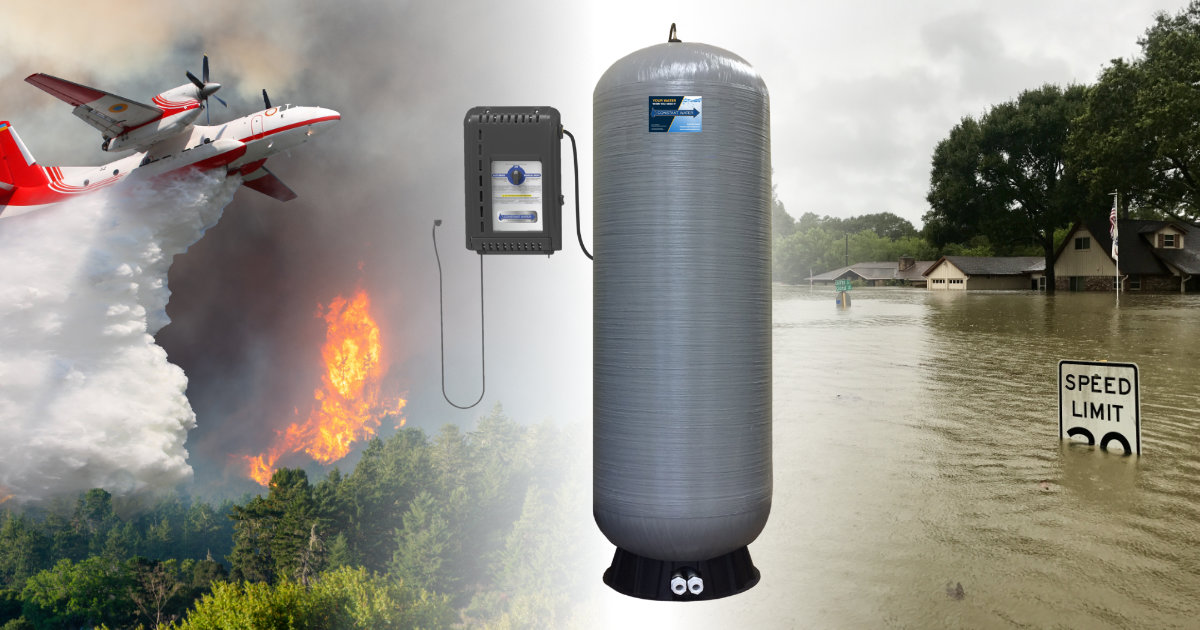
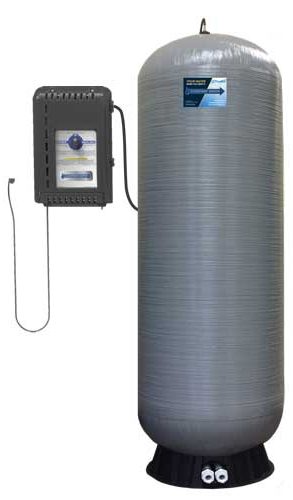
Some whole-house emergency water systems can help during times when a well is struggling. Emergency drinking water is particularly important.
Power Outages
Weather events can impact power lines, but excessive demand can also leave many without power. Often, being without power means being without water. Water treatment and distribution systems rely heavily on electricity to pump and purify water.
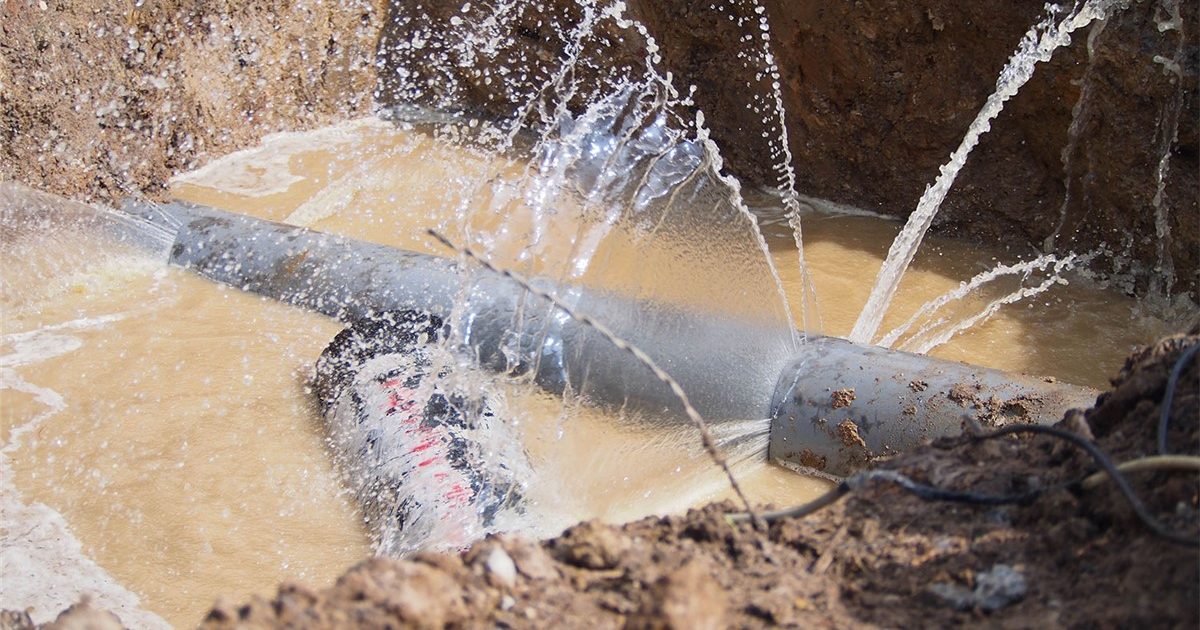
Extended power outages, often triggered by severe weather events or grid failures, can halt water services entirely. Without backup power systems, communities face immediate shortages and sanitation crises.
We think it’s only rural America that loses water when the power goes out. Richmond Virginia is not rural and recently lost water in the entire city for days due to an electrical failure at the pump. Richmond then imposed a boil order that was in place for even longer. Most likely had no emergency drinking water.
The entire island of Puerto Rico lost power on New Years Eve. Some were out of power for days.
Everyone needs a plan for emergency water storage.
Hurricanes
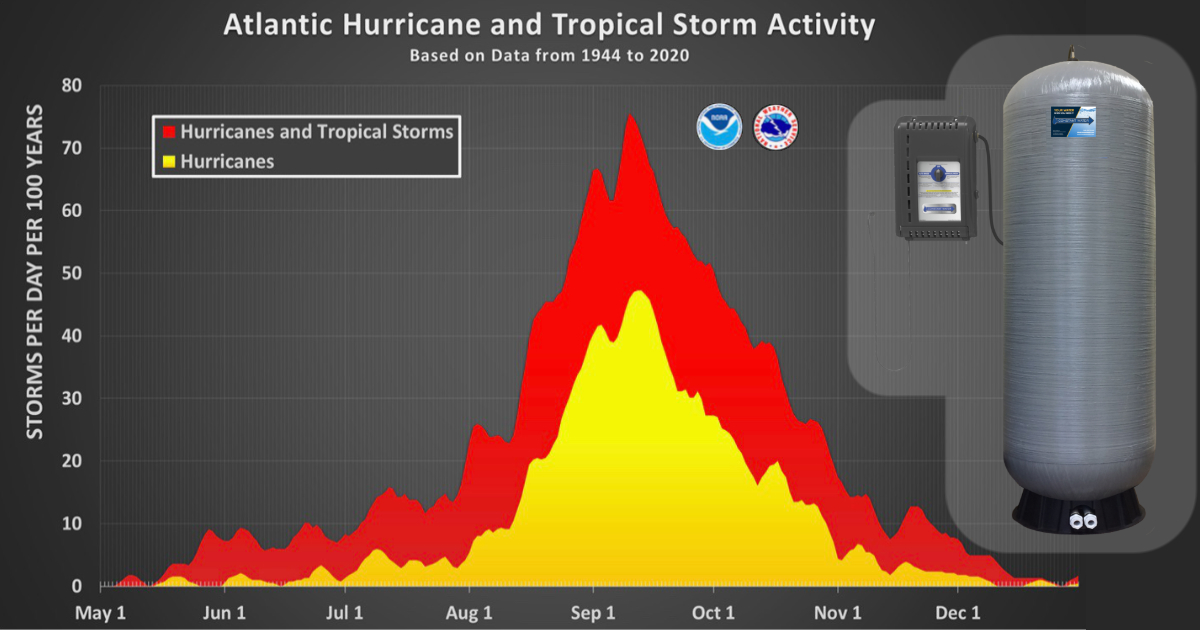
Hurricanes and associated flooding can inundate water treatment plants, contaminate groundwater supplies with sewage and chemicals, and disrupt distribution networks. Saltwater intrusion into freshwater supplies during storm surges further exacerbates the problem, particularly in coastal areas.
The damage we see in the news is mostly where the storm made landfall. But power outages and flooding always impact more people further inland than we hear about.
An emergency water plan has little effect on a home that is completely destroyed. However, homes that are damaged but can still be lived in, or whose water supply has been damaged, can benefit greatly from a robust supply of emergency drinking water.
Wildfires

2024 remained a high wildfire year. Tremendous damage was done. When coupled with high, dry winds, and drought conditions, wildfires can devastate communities quickly.
Wildfires can also impact power well beyond the fire line. More often, power outages are preemptively imposed to prevent wildfires or to reduce the spread of an existing fire.. No power — no water.
Snow/Ice/Wind
It’s winter in the U.S. It’s cold and windy. Snow and ice can bring down trees that bring down power lines. No power…..No water. Have emergency water in place before the crisis.
Flooding and Mudslides
Flooding also imposes wide damage beyond rising waters. It damages water infrastructure and often contaminates water supplies. Even water wells can be contaminated during flooding.
The 2024 hurricane season ended up doing at least as much damage inland as it did on the Gulf coast. Many parts of the U.S. southeast are still recovering. Some are still without water. Would a robust emergency water storage plan have helped?
Additionally, high rains that cause flooding can also cause mudslides. Following the 2018 mudslides in Montecito California, the Mayor said on TV that water was the most important commodity they needed. Water NOT for the destroyed homes , but for the families in homes that remained standing. Mudslides cut off their water supplies.
Emergency water systems in place would make families safer.
Technical threats are real
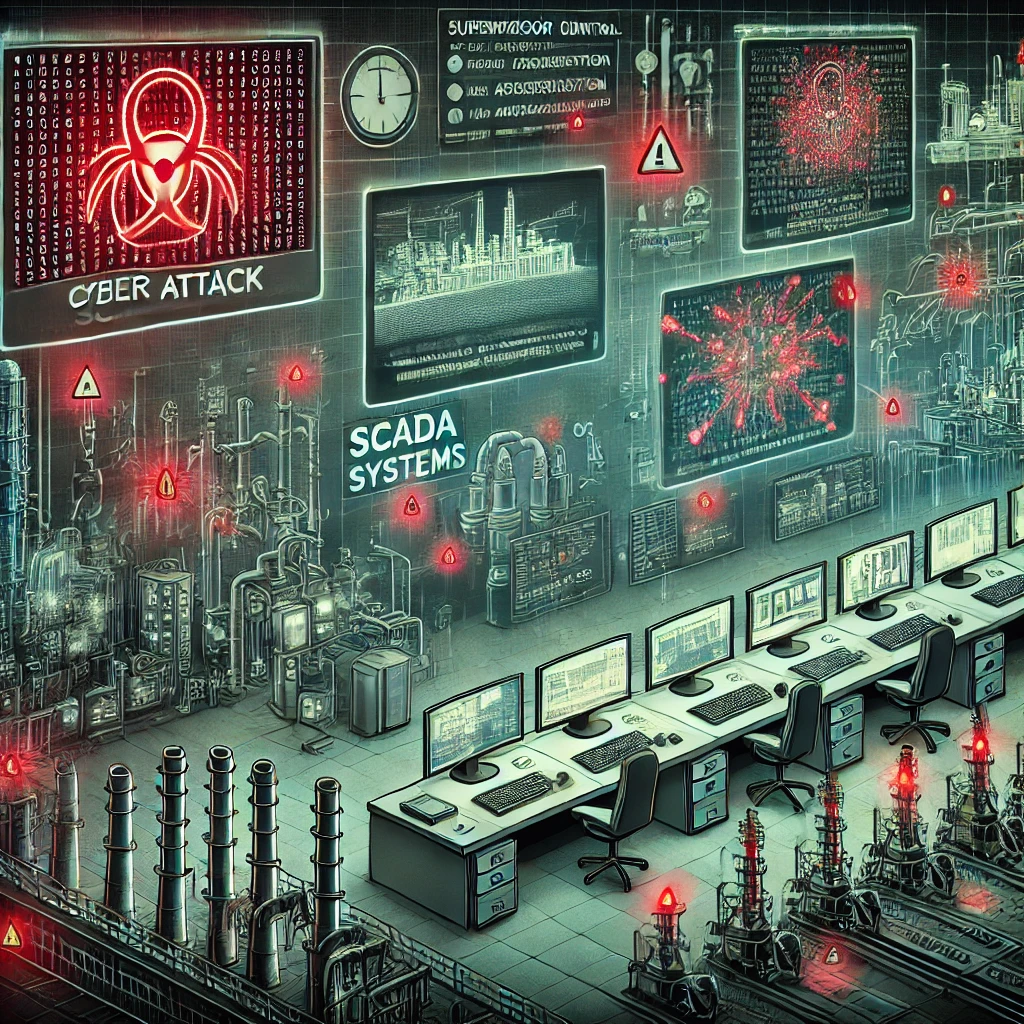
As water systems become increasingly digitized, they are more susceptible to cyberattacks. A breach in a water utility’s control systems can disrupt operations, contaminate water supplies, or disable infrastructure entirely. Emergency water in place gives you time for better decision-making.
In 2021, hackers targeted a water treatment plant in Oldsmar, Florida, attempting to increase the sodium hydroxide levels in the water supply to dangerous concentrations. Quick action by operators averted a potential disaster.
Recently, the federal government told us that bad actors infiltrated the control systems for water and power. And bad actors infiltrated our communications systems.
The White House states that Chinese hackers can cripple the American power grid and ports. These are sophisticated actors with significant capabilities.
Your water systems are at risk. You and your family should examine your emergency water storage plans.
Are You Ready?
It’s easy to say “We’re good.” But are you?
The threats to public and private water systems are diverse and growing, driven by environmental, technological, and socio-economic factors. Addressing these challenges requires a coordinated effort between governments, private entities, and local communities. By investing in resilience and preparedness, we can ensure that emergency drinking water—the lifeblood of our planet—remains safe and accessible when crises strike.
If you would like to know why your whole house generator might not be the solution you think it is, give us a call. It would be a great discussion.
And consider a battery-powered, whole-house emergency water system.
What is your plan?