
Power Outages and Water Supplies–Hidden Risks to Water Wells and Public Water
Snowfall totals and power outages often measure winter weather severity. But one of its most disruptive—and overlooked—consequences is the loss of water. Power outages and water supply disruptions often occur during severe weather events. In early 2026, powerful winter storms exposed the vulnerability of both private wells and public water systems. Water insecurity occurs when extreme cold, ice, and electricity failures converge.
A Winter Storm of Historic Scale
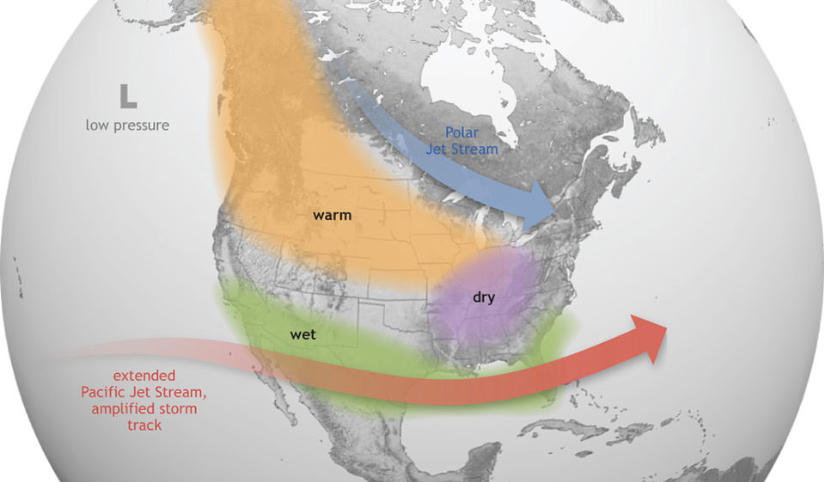
In late January and February of 2026, forecasts warned of the largest ice storm in a decade. This storm placed more than 120 million Americans under winter weather alerts. Snow, freezing rain, and ice spread across large portions of the country. The storms brought down trees and power lines, shut transportation corridors, and created dangerous conditions for utility crews attempting repairs.
While the immediate concern was heat and electricity, the cascading effects on water infrastructure soon followed.
Power Loss and Well Water Outages
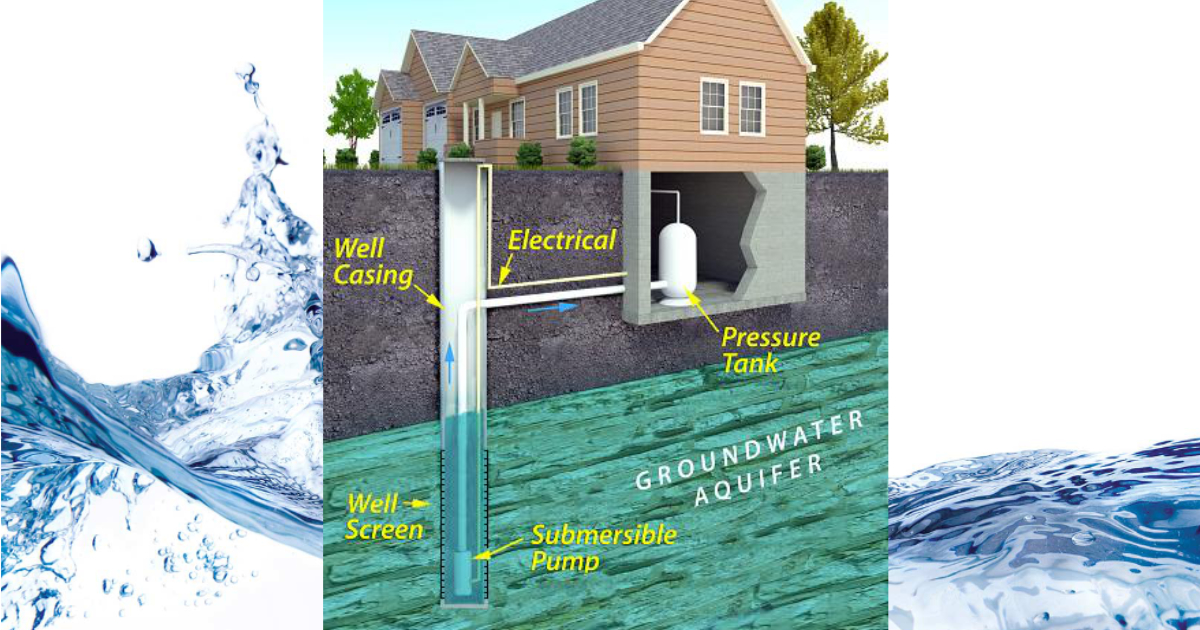
As ice accumulated and temperatures plunged, hundreds of thousands of residents lost power, shutting down electric-dependent water systems. For households on private wells, this means water limited to what was in the well tank or no water at all. When this happens, there may be no drinking water, no toilet flushing, no cooking, and no hygiene. Municipal systems fare little better.

Pump stations and community wells rely on electricity to maintain pressure. When power fails, water pressure may drop, and boil-water advisories issued. Entire communities might lose access altogether. These water outages can persist long after electricity is restored due to frozen lines, damaged pumps, or contamination concerns.
Do you know how much water is in your local water tower?
Record Electricity Demand Prolongs Water Outages
The recent storm coincided with an Arctic blast that drove record winter electricity demand, placing unprecedented strain on regional power grids. High demand during extreme cold increases the risk of prolonged outages and delays restoration efforts. The delays extend water disruptions for homes and communities depending on electric infrastructure for water.
When restoration crews are stretched thin across multiple states, water systems—especially in rural areas— often take longer coming back online.
Widespread Impact Across Regions
National weather coverage shows how dangerous cold, ice, and snow impacted multiple regions simultaneously. The storms overwhelm emergency response systems and limit mutual aid between utilities. When storms cover such a wide geographic area, fewer backup resources leave vulnerable populations without water for extended periods.
Disproportionate Impact on Rural, Elderly, and Disabled Residents
Water outages can be particularly devastating for rural households relying on private wells. Unlike municipal customers, these residents cannot depend on water towers, tanker trucks, or centralized emergency distribution, and may have limited access to bottled water.
Elderly Residents Face Added Challenges
During water outages, routine tasks can become dangerous. Seniors may try carrying heavy buckets of water from sinks or tubs to flush toilets or cook. Carrying water increases the risk of falls, strains, and exhaustion. Limited strength or mobility can quickly turn basic sanitation and meal preparation into serious health hazards—especially for those living alone.
For people with disabilities, loss of water can compromise medical care, hygiene, and daily living, turning a weather emergency into a health crisis. And those “aging-in-place” may lack the physical ability to safely carry water for cooking, basic sanitation and hygiene, or simply flushing toilets.
Power Outages and Water Supplies — Why Emergency Water Systems Matter
Events like these highlight the critical role of emergency water systems in household preparedness. You should prepare not just for winter storms, but also for hurricanes, flooding, and other disasters that disrupt power and contaminate water supplies.
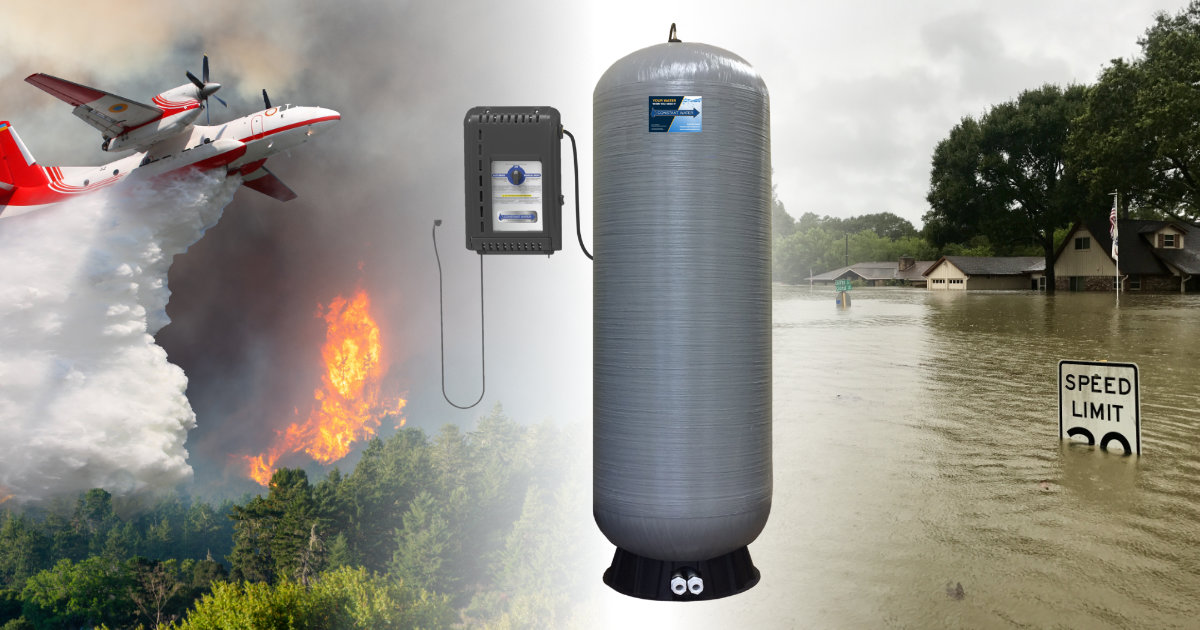
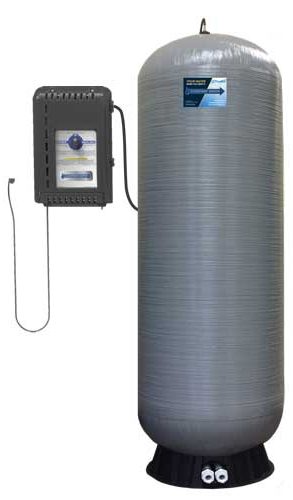
During water outage conditions caused by winter weather, hurricanes, or flooding, Constant Water emergency water systems provide a dependable, on-site supply of potable water. These systems store clean water in advance of the outage. Then they supply it to the whole house when the public water fails or power is lost. These systems eliminate the need to haul water or wait for emergency deliveries.
Unlike bottled water, limited and difficult to transport, Constant Water systems provide enough volume for drinking, cooking, hygiene, and toilet flushing. They preserve sanitation, safety, and dignity during prolonged outages.
Learn how Constant Water emergency water systems support households during outages
Preparedness Beyond Winter Storms
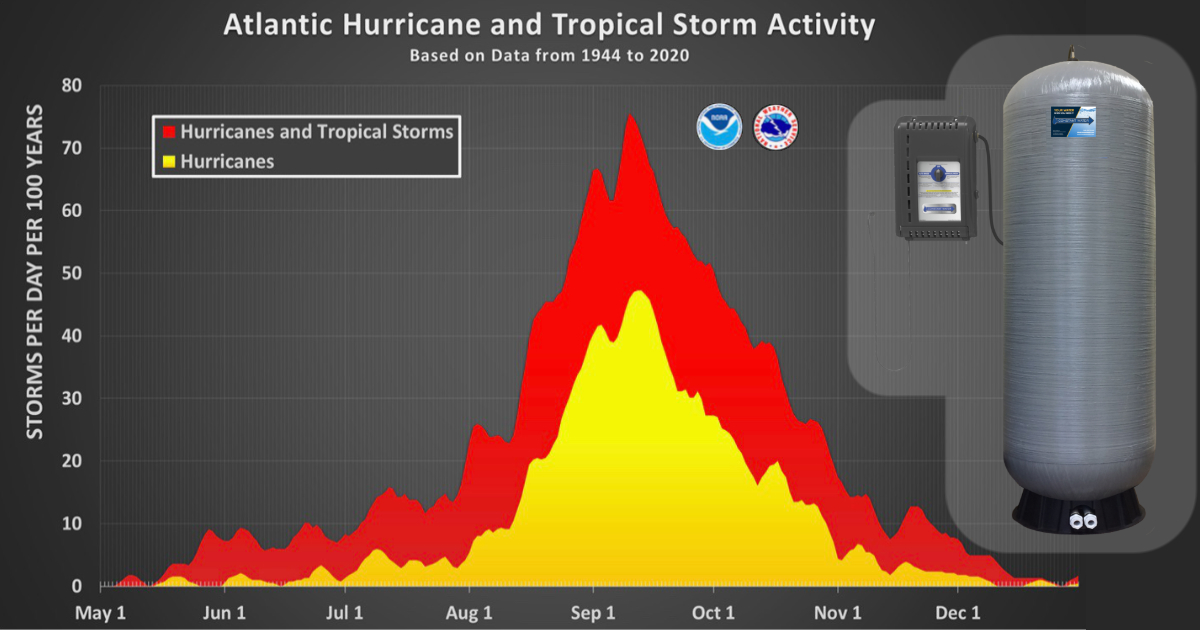
Power outages and water supplies are not only threatened by winter weather. The same vulnerabilities exposed by winter storms apply during hurricanes and flooding. Floodwaters can submerge wells, contaminate municipal supplies, and make bottled water distribution impossible. Having an on-site emergency water system ensures access to clean water even when roads close and infrastructure is compromised.
Build Water Security for Your Family For Upcoming Storms
As extreme weather events grow more frequent and intense, make water resilience a part of every emergency preparedness plan. Power outages and water supplies are always at risk— don’t without water when storms hit.
By investing in proven emergency water systems like Constant Water, households and communities protect their most vulnerable members. These systems reduce reliance on strained emergency services, and maintain basic health and sanitation when it matters most.