
Water Threats Were Different This Year
Water threats this year were different from the recent past. Have you evaluated your water risks?
2025 has been a fascinating year across so many facets—political, economic, weather, and technology. While we could have endless discussions on the first two areas, let’s focus on weather and technology as they significantly impact on your water supply.
Rain Not Due to Hurricanes
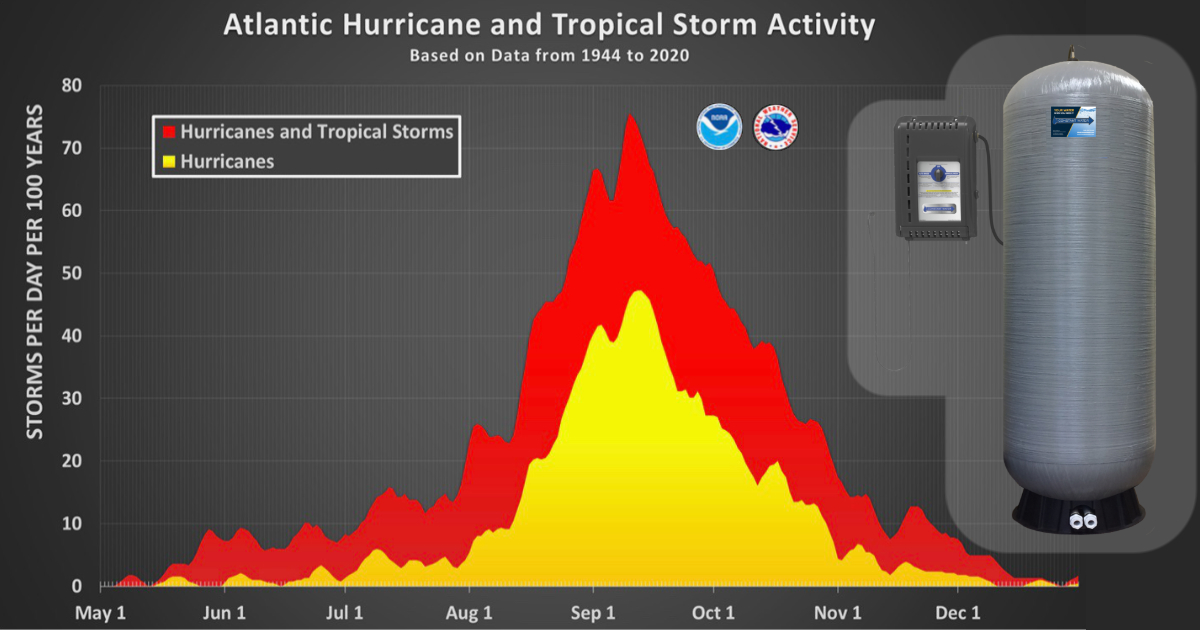
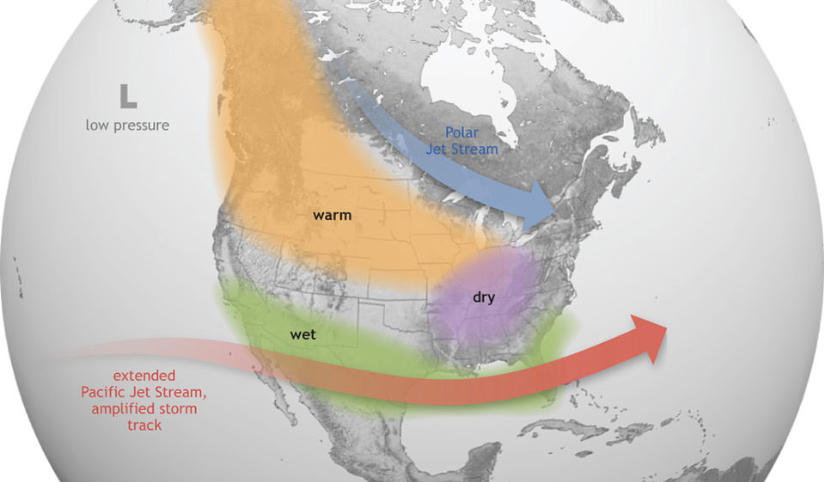
The US weather changed this year. For the first time since 2015, and the second time since 2010, no hurricanes made US landfall in 2025. The forecasters predicted an “above average” number of storms/hurricanes from the Atlantic, but Mother Nature had other plans.
Hurricanes are typically a significant water threat producing significant coast and inland flooding causing tremendous damage. Yes, too much water can be as bad as too little water. This year, storms largely spared coastal communities, and heavy rainfall not associated with hurricanes caused inland flooding. But, even very heavy rain with flooding seemed lighter this year, reducing some coastal water threats.
We have been lucky.

Drought Conditions Remain
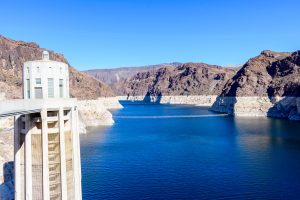
However, other weather conditions impacted water supplies across the country. Many areas in the US suffer from ongoing severe to extreme drought conditions. Lake Mead, a barometer of western water conditions, is almost 200 feet below its “full pool” level and experts anticipate further drops, highlighting severe water threats.
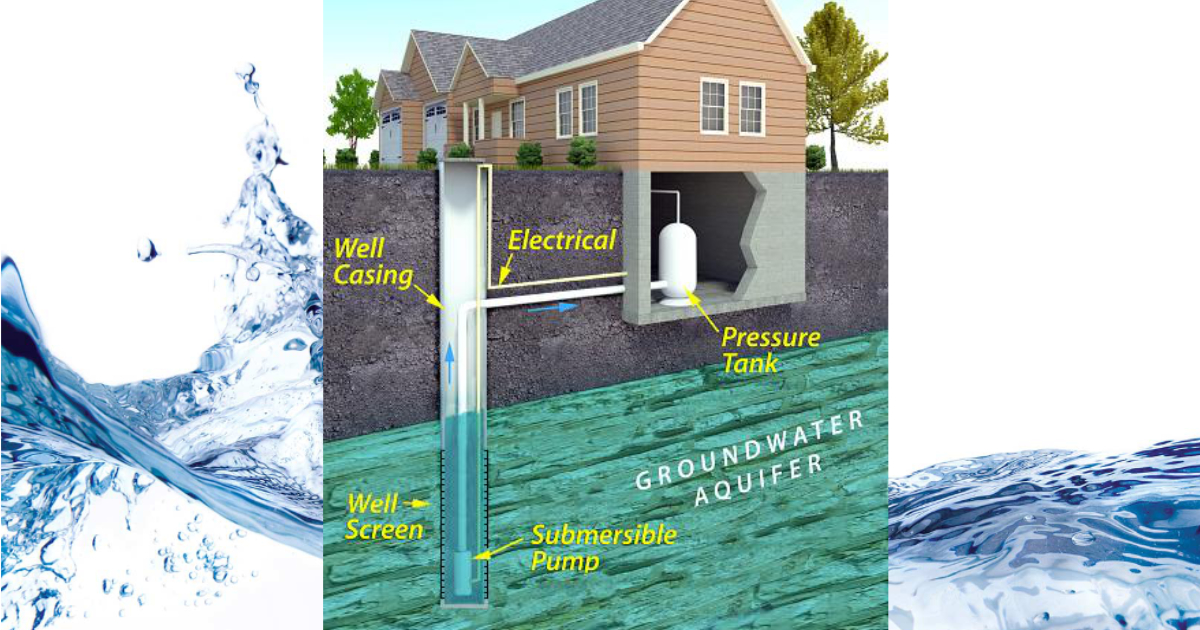
Elsewhere, water wells drawing from local aquifers are down 10-40 feet over the past 25 years due to drought conditions and overbuilding. Yes, “progress” can represent water threats. In one Virginia county, the number of homes on water wells went from 10,000 to 17,000 since 1990. More wells are failing and well drilling increasingly yields “dry holes.”
 Know Your Local Water Threats?
Lakes supply public water systems. Underground aquifers supply water wells. Their water levels are important indicators of potential water threats. Pay attention.
How deep is your well? This is important in evaluating the quality of your well
How much water is in your well? Is the water level higher or lower?
What is the rate of recovery for your well? You should know.
 Tech Threats Are High
Technology can also have a tremendous impact on water supplies. Increasingly, public water systems and electric grids are managed by complex information networks. Our networks have been infiltrated by bad people. Our government admits this. Very recent “outages” of global cloud providers showed us the severe vulnerabilities linked to water threats.
It’s one thing to lose access to Facebook. It’s another thing when a network attack impacts our power and water supplies. Both have occurred in the US.
Tensions between countries are high. Are you prepared for even a “short” period without water? A lack of preparation can amplify water threats. What would you do if you lost public water or power for your well pump for a week?
Bottom line?–Be prepared. Build a plan. Solutions exist. You should conduct, at the least, cursory-level research of the water threats that might impact you. See what’s available.